

Inside systems
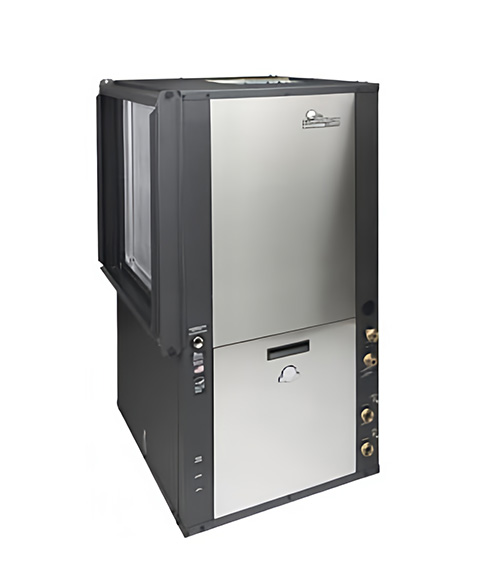
Forced air
Forced air systems are also known as ducted systems. Hot or Cold air is circulated throughout the home from a central geothermal furnace through a series of ducts installed in the walls of the house.
The benefit of a forced-air geothermal heat pump is the ability to have both heating and cooling in one packaged unit. Geothermal systems create a much more unified heating and cooling system than conventional systems. Customers are always “blown away” (pun intended) by how much more comfortable the home environment is once they have made the switch to geothermal. No more fossil fuel danger or smells associated with the furnace, only warm, sustainable heating and cooling for the remainder of the home’s life.
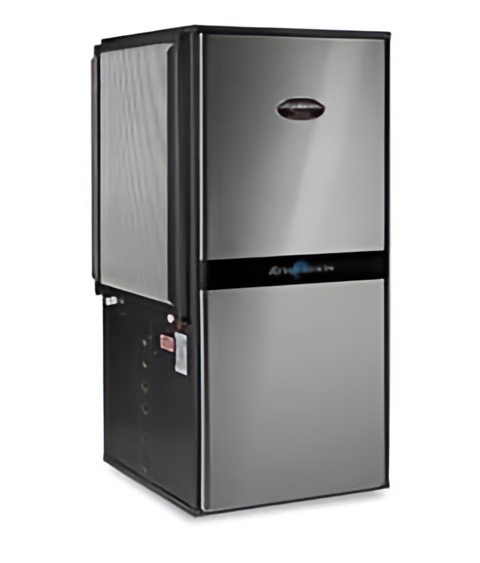
Combo heat pump
Combo heat pump systems can produce both forced air and warm water for in-floor radiant heating.
These systems are a great solution for new home construction if the homeowner would like to have in-floor heating and forced air throughout the home.
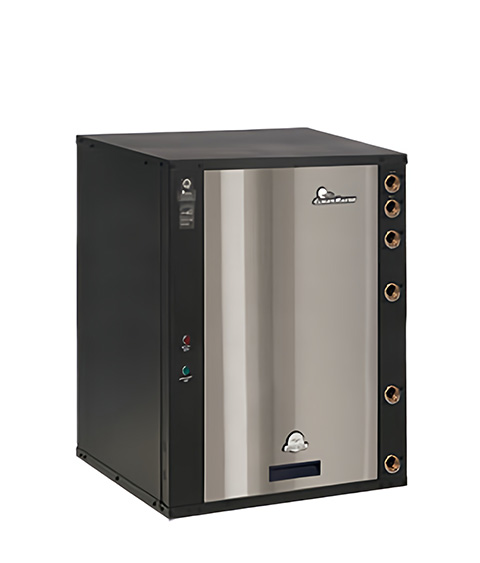
Warm water
Warm water geothermal systems create heat through warm water generated by the geothermal heat pump system. This application is best suited for in-floor radiant heat systems. These systems are generally found in new home construction and are a great heat source for basements and cold floor areas. The one drawback with in-floor radiant systems is that they are not generally used for cooling.
Outside systems
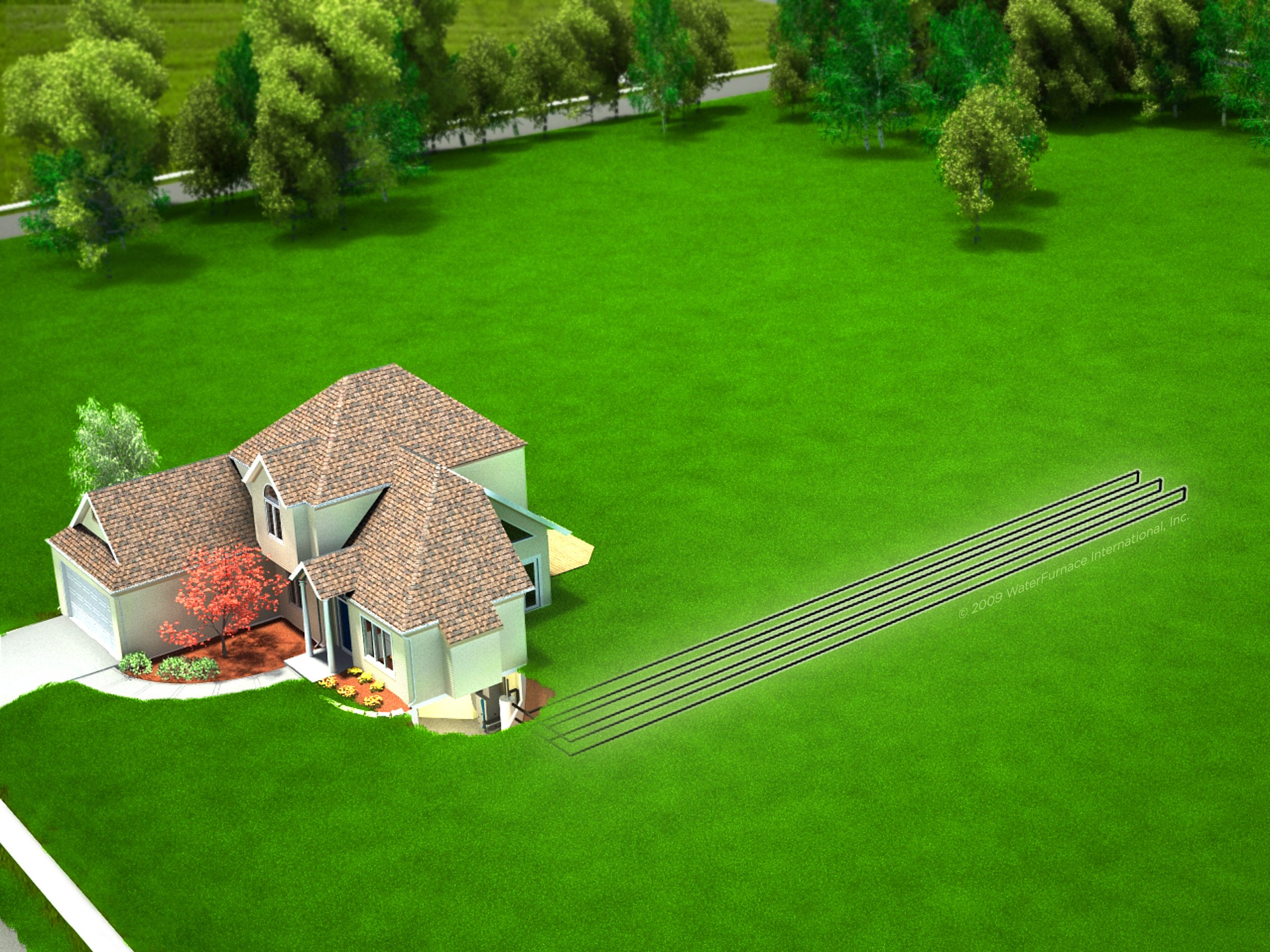
Horizontal ground loop
A horizontal ground loop is mainly installed on properties with large areas of open land. Usually limited to properties over 1 acre, these systems are a cost-effective way of installing geothermal heating/cooling to a home. Geothermal piping is installed in large trenches between 4-6 feet deep. A typical home will require approximately 1800 to 3600 feet of piping.
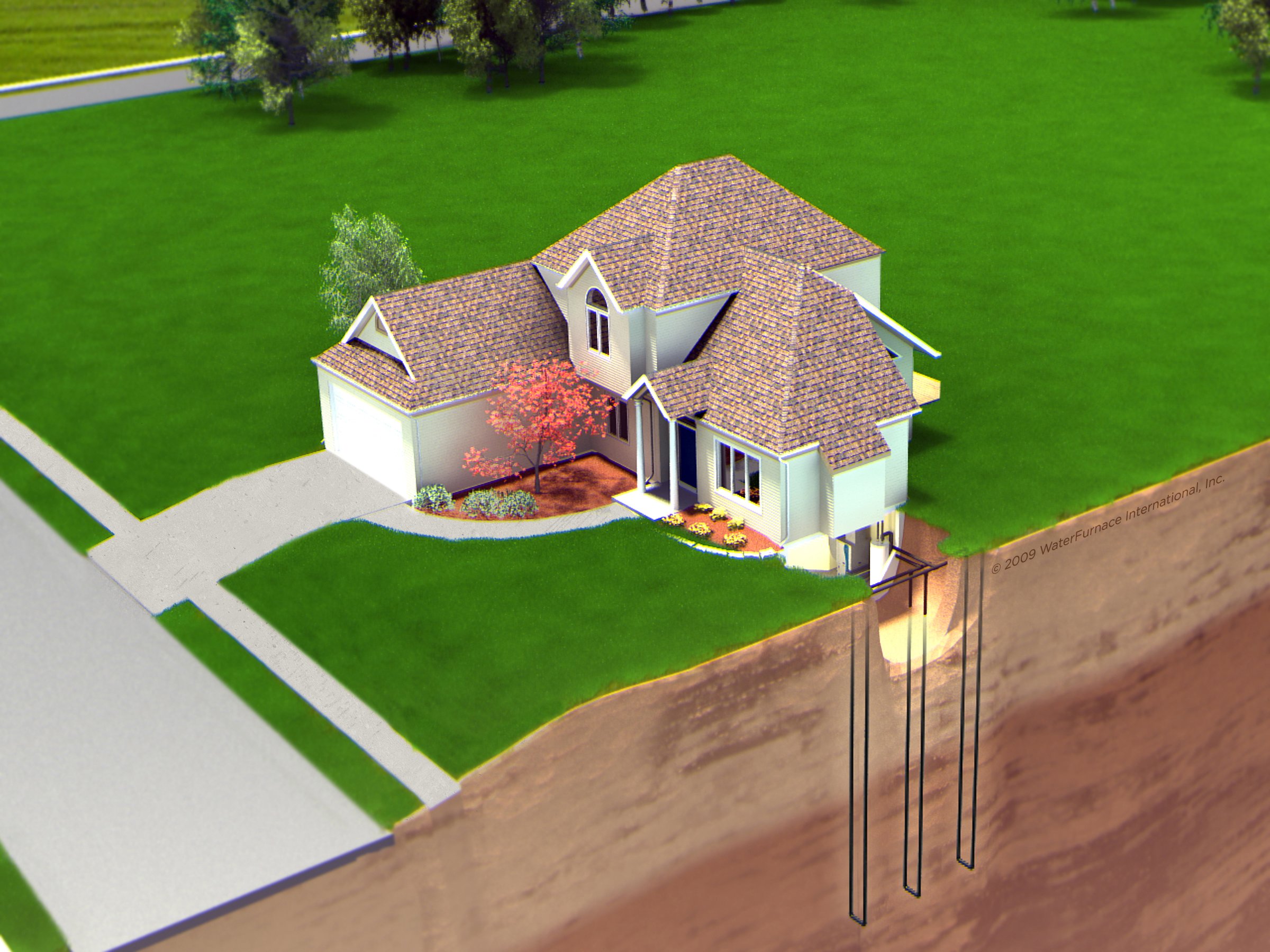
Vertical ground loop
A vertical ground loop is required when space is an issue. Usually installed on urban properties or heavily treed lots. This installation requires the use of a drilling rig that drills multiple bore holes 150-350 feet deep. This method is more expensive than the horizontal and pond loop due to the use of the drilling rig and the added time of installation. This is still a very cost-effective way to provide geothermal heating/cooling to a home.
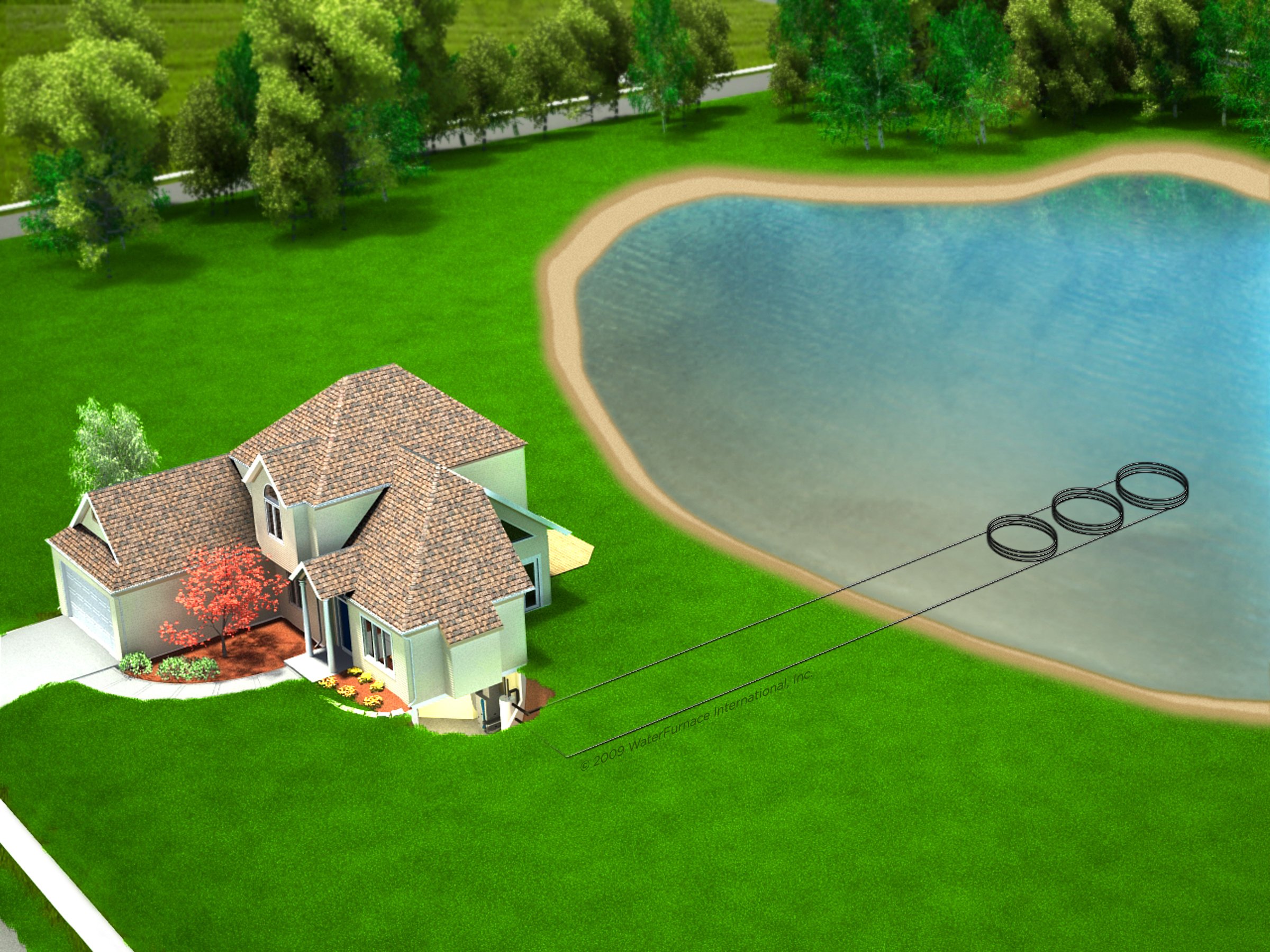
Pond / lake ground loop
When a property has access to a pond or lake it is possible to install the ground loop by sinking the geothermal piping in the water. This is an extremely effective and efficient method for provide a home with geothermal heating/cooling. The main deciding factors are volume of water, water depth and distance of the water from the house.
Superior comfort with geothermal heating and cooling
Geothermal systems deliver consistent, ambient temperatures year-round, eliminating the hot and cold swings common with fossil fuel systems. Enjoy a more comfortable home with stable indoor climate control and improved humidity balance, all from one of the most advanced HVAC solutions available.
Save up to 70% with unmatched efficiency
Geothermal heating and cooling is up to 400% more efficient, making it the most energy-efficient system on the market. Homeowners can save up to 70% annually on energy costs, and most see a return on investment within 5 to 7 years. Nothing is as efficient as geothermal when it comes to cutting costs and maximizing comfort.
Reduce your carbon footprint and save money
Switching to a geothermal energy system can reduce your home’s greenhouse gas emissions by up to 80%. It’s a smart, eco-friendly choice that lets you save money while living green—a win for your wallet and the planet.
Safe, quiet & worry-free operation
Geothermal systems are significantly quieter than traditional HVAC systems and don’t rely on combustible fuels, eliminating the risk of carbon monoxide poisoning. With geothermal, you get peace of mind, safer operation, and a more serene home environment.
How geothermal heating and cooling works
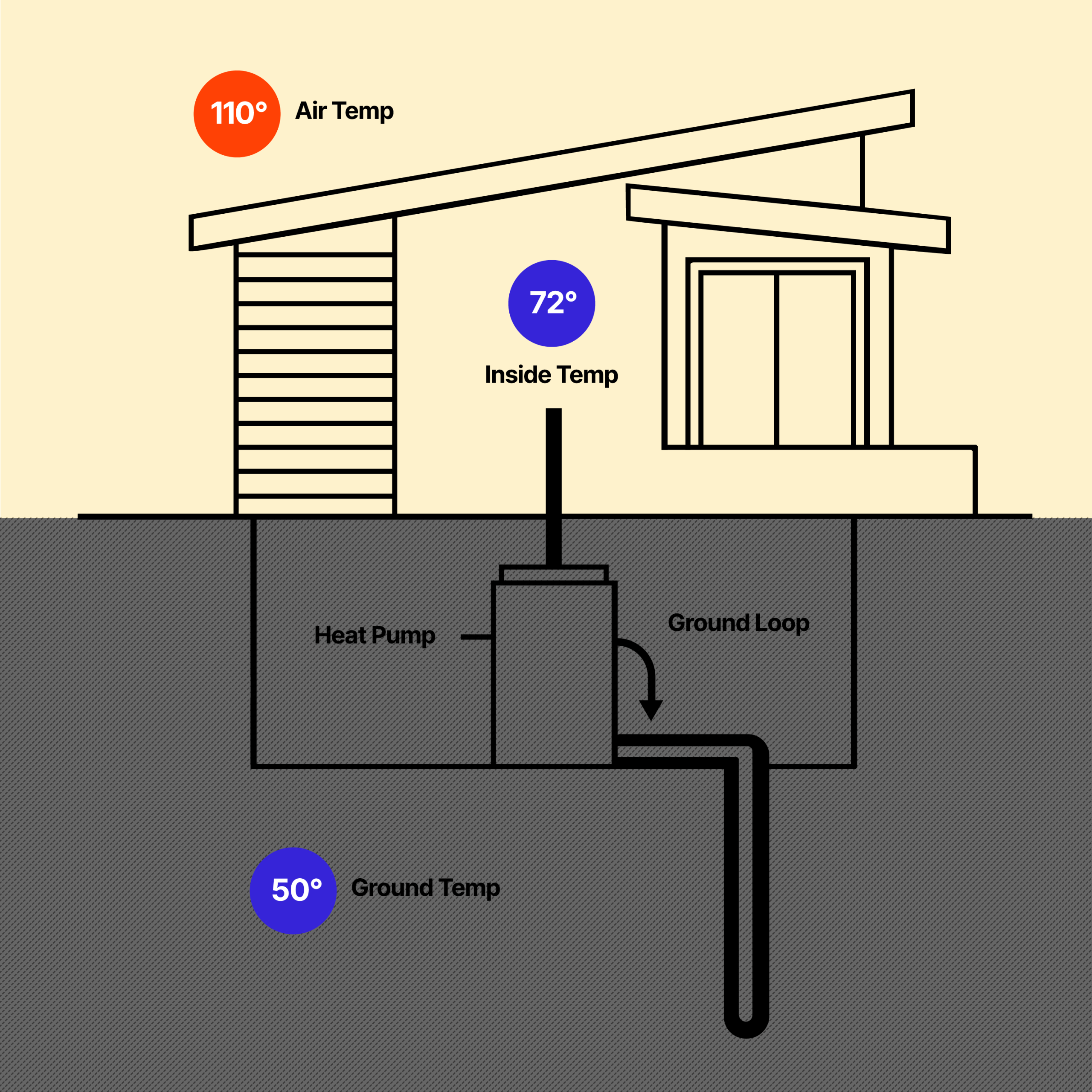
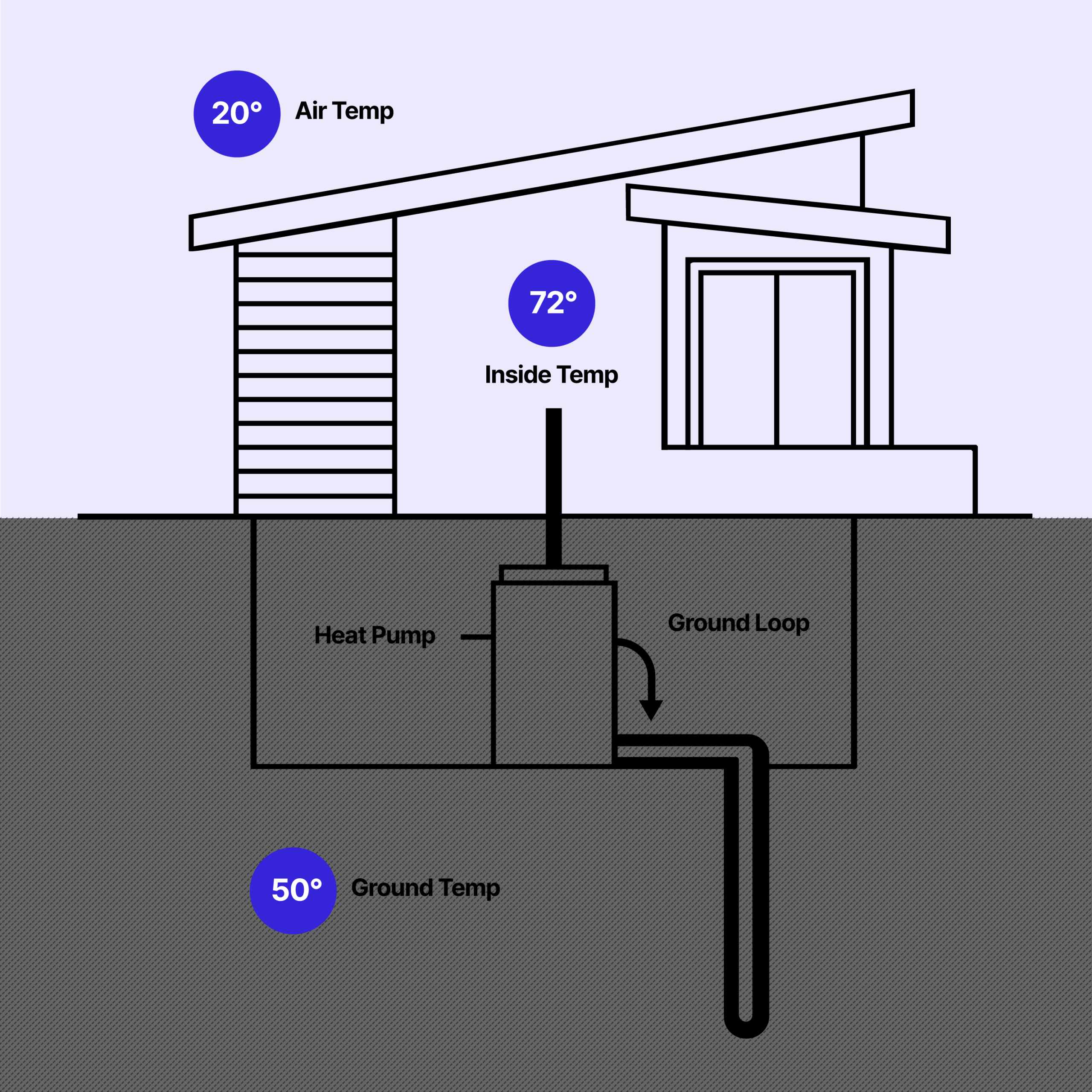
Geothermal systems use underground pipes, a heat pump, and a geothermal unit to transfer heat between your home and the earth. In winter, they draw warmth from the ground; in summer, they remove heat from your home.
This energy-efficient process can cut household emissions by up to 50%. As a trusted Ontario contractor, Quest Geothermal helps homeowners reduce energy costs while shrinking their environmental impact.
Geothermal systems frequently asked questions
A geothermal HVAC system uses the stable temperature of the earth to heat and cool buildings. It works by circulating fluid through a loop of underground pipes to exchange heat with the earth.
Unlike conventional furnaces that burn fuel to create heat, geothermal heat pumps transfer heat between the building and the ground. This makes them far more energy-efficient and environmentally friendly.
The four primary types are:
Horizontal loop
Vertical loop
Pond/lake loop
Open-loop system
Horizontal loops are ideal for new construction where ample land is available. They are less expensive to install than vertical systems but require more surface area.
Vertical loops involve drilling deep holes into the ground. They are used when land space is limited or when the soil is not suitable for horizontal trenching.
An open-loop system uses groundwater from a well or surface source as the heat exchange fluid. It discharges the water back into the ground after use, making it suitable only where groundwater is abundant and clean.
A closed-loop system circulates an antifreeze solution or water in a closed circuit of underground pipes. This fluid exchanges heat with the ground and never comes into direct contact with groundwater.
Geothermal systems can replace most types of furnaces, including:
Gas furnaces
Oil furnaces
Electric resistance heaters
They provide both heating and cooling in one system.
Geothermal systems can be 300–500% efficient, meaning they deliver 3 to 5 times more energy than they consume. Traditional systems average around 80–98% efficiency.
Lower energy bills Quiet operation Minimal maintenance Long lifespan (up to 50 years for loops, 20–25 years for heat pumps) Environmentally friendly, with lower greenhouse gas emissions.
Discover the smarter way to heat and cool your home with Quest Geothermal
Here’s what you can expect:
- A professional heat loss analysis tailored to your home
- A transparent, detailed quote—no surprises, just clarity
- Expert guidance to help you claim all available rebates and government incentives
- A team that specializes in one thing only: geothermal. And we do it better than anyone.
Let us show you how seamless and rewarding switching to geothermal can be. Book your consultation today and take the first step toward long-term savings and year-round comfort.